
Why Platelet Dose Matters in PRP Treatment
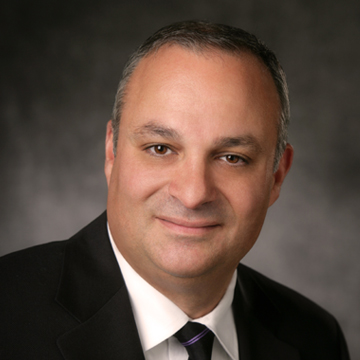 By Mark L. Barba, MD
Orthopedic Surgeon | Hip and Knee Reconstruction | Joint Preservation | Orthobiologics
Patients with hip and knee pain often want clear answers about what is causing their symptoms and what treatment options may help. In this message, I share practical, evidence-based information on arthritis, joint preservation, replacement surgery, and selected orthobiologic treatments to help patients make informed decisions about their care.
Why Platelet Dose Matters in PRP Treatment
Platelet-rich plasma (PRP) injections have become an increasingly common treatment for joint pain, tendon injuries, and early arthritis. Many patients have heard of PRP, but fewer realize that not all PRP treatments are the same.
One of the most important factors that can influence how PRP works is the actual number of platelets delivered to the area being treated. In our practice, we use platelet dosing and cell counting to better understand exactly what is being injected.
This approach allows treatment to be more precise and individualized.
What Is PRP?
PRP stands for platelet-rich plasma, which is derived from a patient’s own blood. Platelets are small cells that play a key role in the body’s healing response. They contain a variety of growth factors and signaling proteins that help coordinate tissue repair.
Creating PRP involves:
- Drawing a small amount of the patient’s blood
- Processing the blood in a centrifuge
- Separating and concentrating the platelet-rich portion
- Injecting the PRP into the area being treated
The goal is to deliver a higher concentration of healing signals directly to injured or inflamed tissues.
Why Platelet Dose Is Important
Many PRP systems describe their product using terms such as “2× concentration” or “5× concentration.” While those descriptions may sound precise, they can actually be misleading.
What ultimately matters biologically is how many platelets are delivered, not just how concentrated the sample appears.
Two PRP preparations that both claim a “5× concentration” may deliver very different platelet numbers depending on factors such as:
- The patient’s baseline platelet count
- The amount of blood drawn
- The efficiency of the preparation system
- The final injection volume
For this reason, focusing on platelet dose can provide a clearer understanding of what the treatment actually contains.
What Is Cell Counting?
To better understand the biologic content of PRP, some physicians measure the cellular components of the preparation before injection.
This process, known as cell counting, evaluates:
- Platelet numbers
- White blood cell content
- Red blood cell contamination
- Overall concentration of cellular components
By measuring these variables, it becomes possible to better characterize the PRP preparation and ensure consistency from treatment to treatment.
Why This Matters for Patients
Orthobiologic treatments are still evolving, and research continues to improve our understanding of how these therapies work. One lesson emerging from the literature is that biologic treatments may depend heavily on dosing.
Using platelet dosing and cell analysis allows treatments to be more thoughtful and individualized rather than relying solely on generalized preparation methods.
For patients, this approach may help ensure that:
- The PRP preparation is properly characterized
- The treatment is consistent
- The biologic content is understood rather than assumed
It is one step toward making biologic treatments more precise and evidence-informed.
Where PRP Fits in Joint Care
PRP is not a cure for arthritis and it does not reliably regrow cartilage. However, in selected patients it may help reduce inflammation and improve joint function.
PRP is most often considered for:
- Early or moderate knee arthritis
- Tendon injuries such as patellar tendinitis
- Certain ligament injuries
- Patients seeking joint preservation strategies
As with many orthopedic treatments, the best results typically occur when PRP is part of a comprehensive treatment plan that may include strengthening, physical therapy, and activity modification.
When Should You See an Orthopedic Specialist?
Persistent joint pain should not be ignored, especially if symptoms interfere with daily activities or exercise.
An orthopedic evaluation may be helpful if you experience:
- Knee or hip pain lasting several weeks
- Recurrent swelling in a joint
- Pain with walking, stairs, or exercise
- Decreasing range of motion
- Pain that limits normal activity
A careful evaluation can help determine the underlying cause of symptoms and identify the most appropriate treatment options.
Closing Thoughts
PRP and other orthobiologic treatments are an area of active research and development in orthopedic medicine. As our understanding improves, approaches that focus on measuring and standardizing biologic treatments—including platelet dosing and cell counting—may help bring greater precision to these therapies.
If you are dealing with persistent hip or knee pain and want to understand your treatment options, an evaluation with an orthopedic specialist can help determine the most appropriate next step.

